Local Mushroom of the Week, Fairy Ring Mushroom, The Lawn’s Undying Resurrection Expert
Benjamin Ashpole
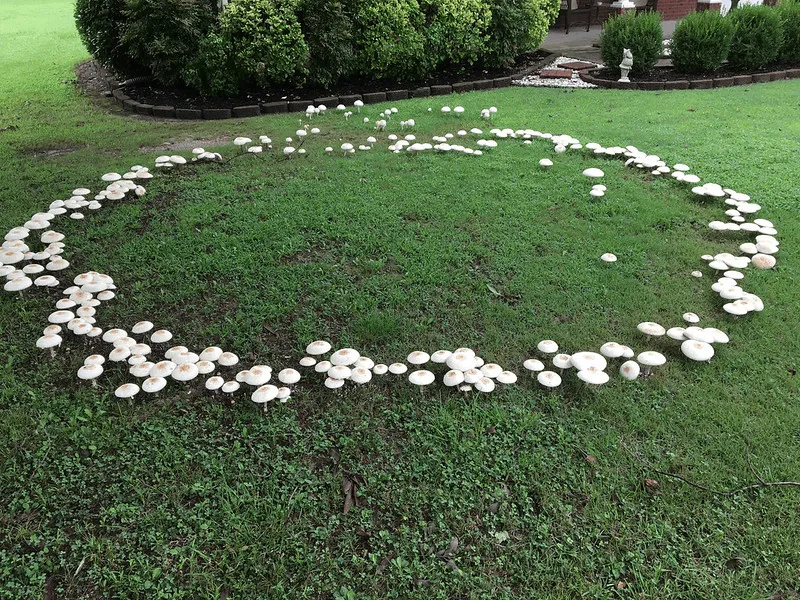
Many homeowners mistake the Fairy Ring Mushroom for a simple lawn blemish, but it is actually a notable part of lawn ecology. Fairy rings form naturally occurring circular growth patterns in turf and are often indicators of soil processes beneath the surface. The mushroom can appear after moisture returns from dry spells, and its presence reflects a living soil system rather than a mere pest.
What truly earns this species its title as the lawn's "undying resurrection expert" is its biological ability to shrivel during droughts and then completely "come back to life" after it rains. Unlike most other mushrooms that fruit once and die, Marasmius oreades contains a high concentration of a specialized sugar called trehalose. This compound acts as a xeroprotectant, a substance that shields cells from damage during extreme drying. When water returns, the trehalose is digested as the cells completely revive, allowing the mushroom to undergo cellular respiration, grow new cells, and begin producing spores again as if it had never dried out.
This resilience is reflected in the mushroom's long history and folklore, as the records highlight a rich legacy in Europe and ancient Greece. In Greek mythology, these mushrooms were the food of choice for oreads, the nymphs of mountains and woods. Their mysterious circular growth led to names like "pixie rings" or "elf rings," with the belief that they marked the path of dancing fairies. Their first major literary distinction came from William Shakespeare in 1611, who described them in The Tempest as "midnight mushrooms" that grow in circles where the grass becomes bitter.
While commonly found in lawns and grasslands, Marasimus oreades is best appreciated for its ecological role rather than for mass-market culinary status. While the sources do not provide a total aggregate market size, they confirm a steady commercial demand for home cultivation kits and dried gourmet products priced around $7.95 per package. There is a clear distinction between these commercialized specimens and those naturally grown. In nature, the perennial mycelium can live for as long as 400 years, forming rings on the prairies over a kilometer in diameter. By contrast, commercial kits use liquid mycelium and ecological substrates like compost and straw to inoculate garden soil. While these kits bring the "meadow mushroom" to the backyard for prices ranging from $17 to $26, they require more patience than wild foraging; while wild rings appear faithfully each year, inoculated soil can take 2 to 3 years to produce its first mushrooms.
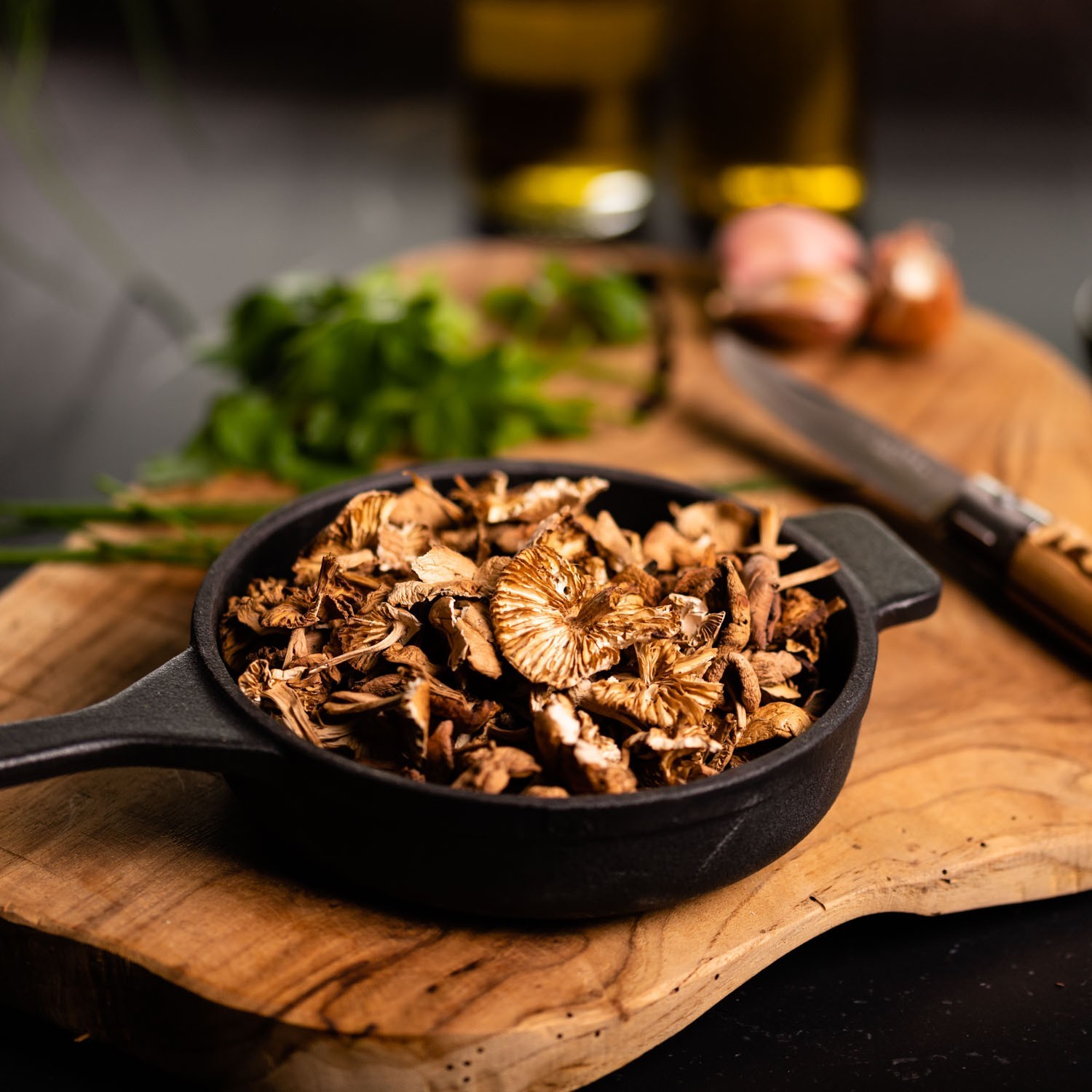
This mushroom is unique for its sweet, almond fragrance and spicy flavor, working in savory risottos and sweet cookies alike. Because of its low moisture, the caps crisp instantly in hot butter rather than boiling. To maximize safety, avoid harvesting from golf courses or chemically treated lawns where these mushrooms may accumulate concentrated amounts of heavy metals from the soil, or hyperaccumulation.
Gardeners can cultivate these in lawn furrows using liquid mycelium mixed into sugar water and loamy soil. Beyond food, this fungus acts as a selective biological agent that kills pests while remaining safe for honeybees. Engineers are even studying its fibrous network of fungal threads as a sustainable material for creating shock-absorbing, biodegradable packaging.
Join The Mushroom Journey
Peak foraging season spans summer and fall, but keep in mind this piece is neither an identification manual nor a medical prescription. Consistently purchase mushrooms from trusted vendors and prepare them with thorough cooking. Never consume wild mushrooms lacking in person verification by a qualified expert. To uncover hundreds of native gourmet, functional, and practical mushroom videos, products, and events, subscribe to the free newsletter at NourishCap.com.
Sources Cited
Ayer, William A., and Peter A. Craw. "Metabolites of the Fairy Ring Fungus, Marasmius Oreades. Part 2. Norsesquiterpenes, Further Sesquiterpenes, and Agrocybin." Canadian Journal of Chemistry, vol. 67, 1989, pp. 1371-80, https://cdnsciencepub.com/doi/pdf/10.1139/v89-210.
"All About Fairy Ring Mushrooms." Maison Borde, https://www.borde.fr/en/fairy-ring-mushrooms-p21.
"Comprehensive Scientific Profile of Marasmius Oreades: Biochemistry, Physiology, and Biotechnology." NourishCap.
"Fairy Ring Mushroom." Missouri Department of Conservation, https://mdc.mo.gov/discover-nature/field-guide/fairy-ring-mushroom.
"Marasmius Oreades." Wikipedia, https://en.wikipedia.org/wiki/Marasmius_oreades.
"Meadow Fairy Ring Mushroom Mycelium - Mushroom Cultivation Kit." SemiSauvage, https://semisauvage.com/en/products/mycelium-de-mousserons-des-pres-kit-de-culture-champignons.
"Tips for Using Dried Wild Fairy Ring Mushrooms." Nespoli funghi, https://www.nespolifunghi.it/en/fairy-ring-mushrooms.
Van Zandvoort, Rosa. "The Impact of Marasmius Oreades Fairy Rings on the Soil Microbiome and Physicochemical Properties." Stockholm University, 2025, https://su.diva-portal.org/smash/get/diva2:2043394/FULLTEXT01.pdf.
Volk, Thomas J. "Marasmius Oreades, the Fairy Ring Mushroom, Leprechaun." Tom Volk's Fungus of the Month, 2003, https://botit.botany.wisc.edu/toms_fungi/mar2003.html.
Žigon, Primož, et al. "The Entomotoxic Fungal Lectin Marasmius Oreades Agglutinin Disrupts the Midgut Epithelium of Colorado Potato Beetle Larvae." Journal of Agricultural and Food Chemistry, vol. 74, no. 8, 2026, pp. 6890-904, https://pubs.acs.org/doi/abs/10.1021/acs.jafc.5c16986.
About the Author
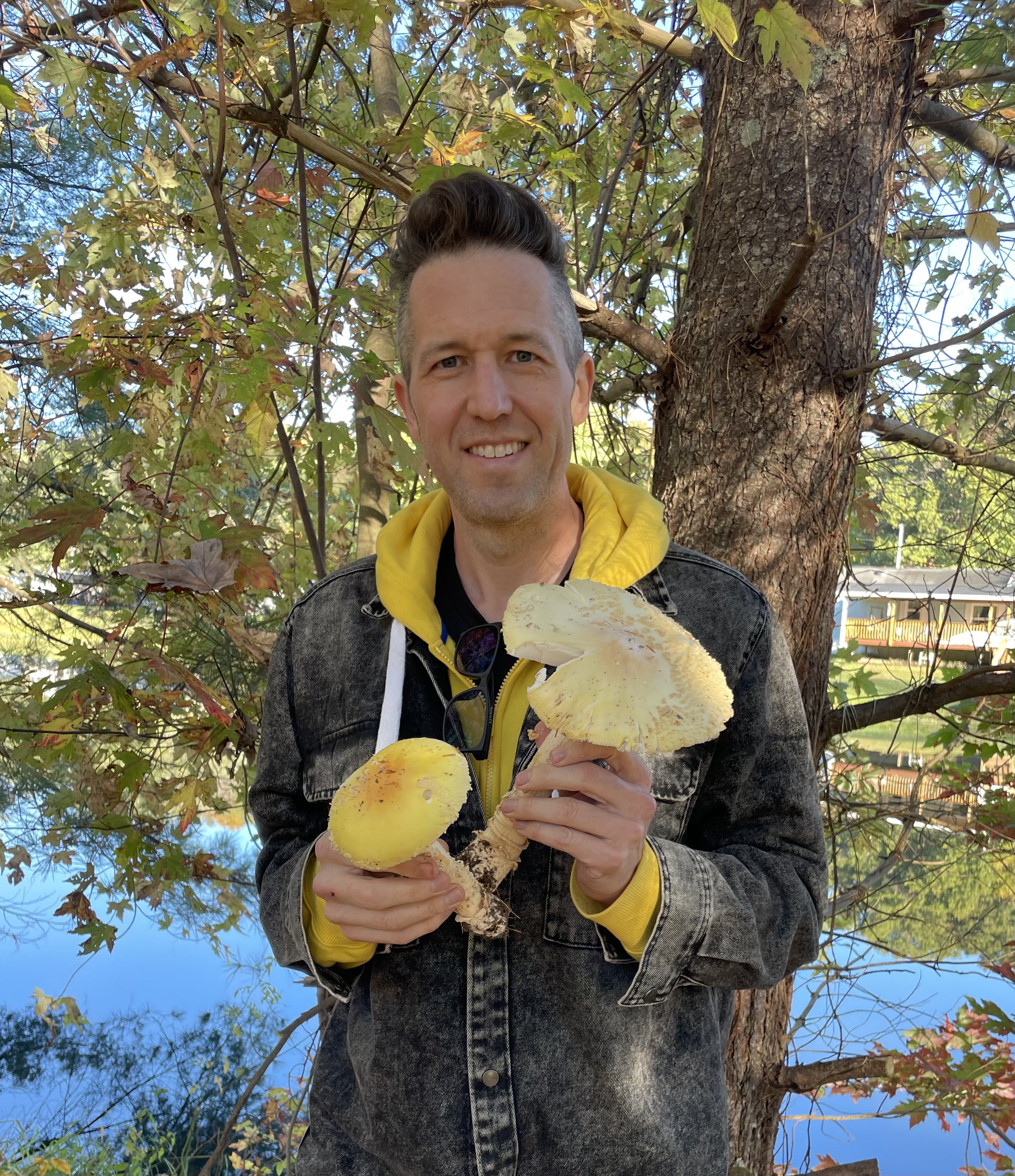
Benjamin Ashpole is a certified forager through the Hoosier Mushroom Society, a mushroom educator, and a media producer. Ben writes a widely syndicated column on North American gourmet and functional fungi to inspire mushroom curiosity. As founder of NourishCap.com, he creates educational videos at youtube.com/@NourishCap that demystify everything from forest foraging and home cultivation to the science behind functional and medicinal species. Drawing on years of field experience and ongoing reporting about global fungal science, to support media production, Ben and his team maintain a marketplace of mushroom product vendors and service providers at NourishCap.com so that everyday people can safely benefit from the hidden fungal world around them. Contact Benjamin if you’d like to know more about a specific mushroom, join a foray, request a presentation, or get help with identification at facebook.com/NourishCap. For identification help via Facebook: share pictures of the mushroom’s top, sides, bottom, and habitat along with the name of the closest city and state.