
Chapter 2: Sectoring: Strain Selection & Development
High Detail Review Video of The Mushroom Cultivator by Paul Stamets and J.S. Chilton
Mycological and marketing expert Benjamin Ashpole explores sectoring, strain selection, and development in mushroom cultivation. Learn how mycelium can display diverse forms and evolve. This section covers romatic (strandy, ropey) versus tementose (cottony, smooth) mycelia, and how genetics, nutrition, and age affect sectoring, plus methods to promote romatic growth and prevent strain degradation.
Play the video above
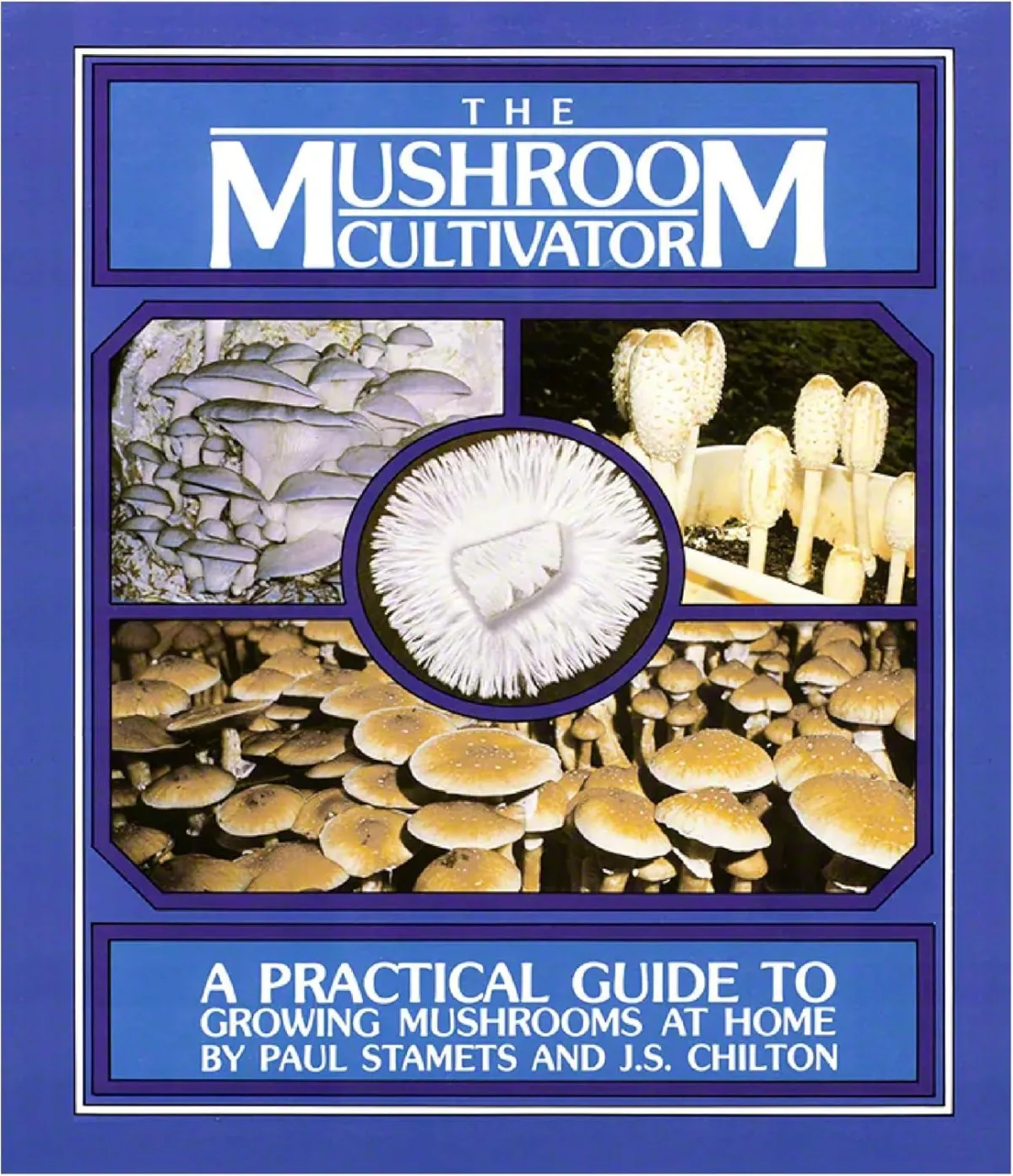
Chapter 2: Sectoring: Strain Selection & Development
Find key topics:
Mycelial Types: Differentiate between romatic (ropey) and tementose (cottony) mycelia and their impact on primordia formation
Factors Affecting Sectoring: Understand how genetics, nutrition, and age influence sectoring in mushroom cultures
Strain Maintenance: Propagate only romatic sectors, alter media regularly, and limit mycelium growth to prevent strain degradation
Unlocking Mycelial Potential: Mastering Strain Selection and Development in Mushroom Cultivation
For home and commercial mushroom cultivators alike, understanding the intricate world of mycelial growth is paramount to achieving consistent, high-yielding results. Drawing insights from Paul Stamets and J.S. Chilton's seminal work, "The Mushroom Cultivator," and enriched by commentary from Benjamin Ashpole of Nourish Cap Promoters, we delve into the critical aspects of mycelial sectoring, strain selection, and development. This advanced knowledge is key to culturing vigorous mushroom strains with desired traits.
The Foundation of a Pure Culture: Selecting and Preparing Your Specimen
The first step in this process is collecting spores by taking a spore print. To do this, the cap of a fresh, clean mushroom is severed from its stem and placed gills-down on a non-porous surface such as white paper, clean glass (like a microscope slide), aluminum foil, or even black paper for better contrast depending on the spore color. Mushroom spores exhibit a diverse range of colors, including white, brown, purple, and black. If the mushroom specimen is partially dried, adding a drop or two of water to the cap's surface can aid in spore release. To prevent evaporation and dispersal by air currents, a cup or glass is often placed over the mushroom cap. After several hours, the spores will have fallen in a pattern reflecting the radiating symmetry of the gills.
Rhizomorphic: Characterized by strandy, ropey networks.
Tomentose: Appearing as cottony, smooth, or fluffy growth.
An intermediate linear type, which grows radially but lacks the twisted hyphal strands of rhizomorphic growth, also exists. Historically, rhizomorphic mycelium has been favored as it is often considered more apt to produce primordia (the initial formations of mushrooms) and has been correlated with higher yields in commercial cultivation. However, as noted in contemporary discussions, some mycologists and hobbyists debate whether the distinction between rhizomorphic and tomentose growth always dictates later fruiting success. While the jury may still be out on some specific nuances, a selective approach towards more robust, rhizomorphic growth is often recommended for playing it safe.
Influencing Mycelial Vigor: Genetics, Nutrition, and Age
The development and appearance of mycelial sectors are not random; they are profoundly influenced by genetics, the nutritional environment, and the age of the mycelium. For instance, certain nutritional factors can encourage less desirable growth. Stoller's research (1962) indicated that fluffy sectors are promoted by broken or exploded grain kernels, which increase starch availability in spawn media. Furthermore, a higher pH level, such as 7.5, while potentially increasing mycelial growth speed, also correlates with more frequent sectoring compared to slightly acidic levels like 6.5. Avoiding exploded grains and buffering pH to around 6.5 can help mitigate these issues.
As mycelium undergoes numerous cell divisions and transfers, it can experience senescence, a process akin to aging in plants or animals. This aging leads to strain degradation, where the mycelium becomes less vigorous and fertile. A noticeable shift from predominantly rhizomorphic to a cottony mycelial appearance can serve as an early warning sign of this degradation. While some cultivators have successfully propagated clones for years without going back to spores, periodically "resetting" genetics by returning to spores is often considered a prudent strategy to maintain vitality.
Strategies for Cultivating Robust Strains and Preventing Degradation
To promote strong, rhizomorphic growth and actively combat strain degradation, several key practices can be employed:
Selective Propagation: Always propagate only the rhizomorphic sectors, consciously avoiding cottony growth during transfers to new media.
Varying Media Formulas: Regularly alter the agar media formula used for cultivation. Consistently growing a strain on the identical formula is not recommended, as varying the nutritional composition ensures the mycelium maintains a broad enzyme system, making it more adaptable and resilient.
Mindful Mycelial Management: Only cultivate the amount of mycelium strictly necessary for spawn production, and promptly return the strain to cold storage when not in active use. Extensive transfers over long periods at optimum temperatures can select for substrains that may differ significantly from the original in vitality and appearance.
Genetic Reset: If efforts to preserve a vital strain prove unsuccessful, re-isolate new substrains from multi-spore germination. This process effectively creates a new generation, offering fresh genetic options and potentially revitalizing the culture.
Hybrid Experimentation: As an alternative, cultivators can experiment with creating hybrid strains by mating two genetically distinct mycelia. While most hybrids may yield less than their contributing parents, this path can occasionally lead to novel and more productive strains.
The Art and Science of Strain Selection
Mushroom breeders and home cultivators can systematically develop and select strains by evaluating mycelia against a comprehensive set of characteristics:
Rhizomorphism: Fast-growing vegetative mycelium.
Purity: Absence of undesirable cottony sectors.
Cleanliness: Lack of associated competitor organisms like bacteria, molds, or mites.
Response Time: How quickly primordia form under appropriate conditions.
Primordia Abundance: The number of primordia produced.
Primordia Development: The percentage of primordia that grow to maturity.
Fruit Body Traits: Size, shape, and color of the mature mushrooms.
Total Yield: Overall productivity.
Disease Resistance: Ability to withstand pathogens.
Environmental Tolerance: Sensitivity to CO2 levels and temperature limits.
Harvesting Ease: How easily the mushrooms can be picked.
By meticulously observing and rating mycelia based on these characteristics over time, cultivators can select strains that best align with their specific preferences and cultivation goals. This blend of scientific understanding and careful observation is what truly elevates mushroom cultivation from a hobby to an art form, continually pushing the boundaries of what is possible.
Resources
Marketing Services
Find Out First, Here
See how we educate and entertain the public as a community of high quality members who are committed to integrity:


Copyright © 2026 NourishCap. All rights reserved.
NourishCap is a sister division of PromoterMotor.com at Bashpole Software, Inc. We co-market with our members and the Center for Better Communication.
Disclaimers:
NourishCap does not provide legal advice. NourishCap does not provide mental health, clinical, or medical services. NourishCap is not responsible for the actions of its members.
NourishCap does not encourage or condone any illegal activities, including but not limited to the use of illegal substances. NourishCap is not a substitute for medical, psychological, or psychiatric diagnosis, treatment, or advice.